Discovering the Best of Both Worlds: Yoga and Reformer Pilates in Bondi
- Apr 22
- 6 min read
Updated: May 5
You're seeking a movement practice in Bondi. Yoga and reformer pilates are two of the most popular options here. They are often compared, as if you need to choose one. This guide breaks down what each practice offers, where they differ, and why many practitioners find value in doing both.
Understanding Yoga: A Journey Within
Yoga has roots that stretch back thousands of years in Indian philosophy. Modern yoga classes focus on flowing sequences through standing poses, seated stretches, and forward folds. Classes typically last between 60 to 90 minutes. The physical practice, known as asana, is paired with breath awareness, called pranayama. Most classes conclude with meditation or relaxation.
In Bondi, yoga classes come in various styles. Yoga Essentials and Slow Flow are beginner-friendly, emphasising alignment and breath. Yoga Flow is a Vinyasa practice, linking breath to continuous movement for intermediate practitioners. Yin Yoga focuses on holding poses for extended periods, targeting deep connective tissue.
The core philosophy of yoga is integration. Your breath connects to your body, and your body connects to your mind. This holistic intention shapes the entire experience.
Exploring Reformer Pilates: Strength and Control
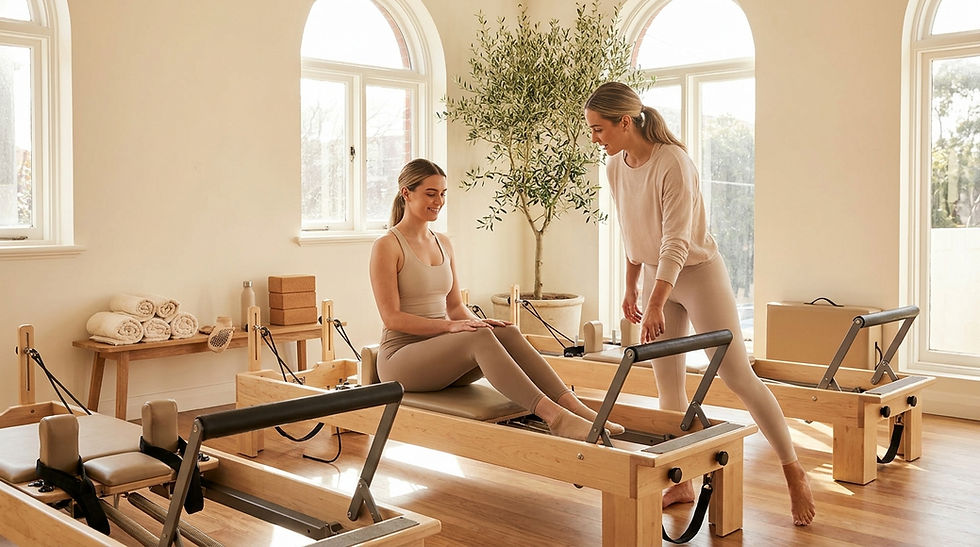
Reformer pilates uses a spring-loaded machine to provide adjustable resistance during controlled movements. The reformer features springs, a moving carriage, and resistance bars. Classes typically last around 50 minutes, focusing on core strength, precision, and functional body alignment.
Unlike yoga's flowing sequences, reformer pilates employs repetitive, controlled movements. You might perform ten leg presses, followed by ten pulses of the carriage, and then transition to a new exercise. Precision is central. Your teacher will refine your alignment throughout the class, as this precision is how the practice builds strength effectively.
The philosophy of reformer pilates revolves around control and efficiency. The spring resistance accommodates your strength level, using lighter springs for beginners and heavier ones for advanced practitioners. This makes it a scalable and structured practice.
The Core Differences Between Yoga and Reformer Pilates
Flexibility vs Strength Focus
Yoga emphasises lengthening muscles. You hold poses, breathe into stretches, and gradually improve your range of motion. Research shows that measurable flexibility improvements can begin within six weeks of consistent practice, with continued gains through twelve to sixteen weeks.
Reformer pilates uses resistance to build strength and muscle conditioning. Studies indicate that pilates also improves flexibility, particularly in the hamstrings and lumbar spine. However, yoga's dedicated focus on range of motion through sustained holds tends to produce greater flexibility gains. If flexibility is your primary goal, yoga offers a more direct path. If strength is your goal, reformer pilates delivers targeted results more efficiently.
Impact on Your Nervous System
Research shows that yoga activates the parasympathetic nervous system, which is your rest-and-digest response. Slow breathing, longer holds, and meditative elements stimulate the vagus nerve, helping regulate stress. Studies have found diminished sympathetic activity and improved parasympathetic activity among regular yoga practitioners. You'll typically leave a yoga class feeling calm and mentally clear.
Reformer pilates requires focused concentration and physical engagement during the session. The low-impact nature of the practice means you're unlikely to feel depleted afterward. Most people leave feeling energised and alert rather than exhausted.
If stress relief and nervous system regulation are priorities for you, yoga has stronger research support in this area.
Speed of Visible Results
Both practices produce results on different timelines, depending on frequency and individual factors. With yoga, many people notice improved flexibility within two to four weeks. More visible changes in posture and range of motion typically develop over eight to twelve weeks of consistent practice.
With reformer pilates, improved posture and body awareness often appear within two to four weeks. Visible changes in muscle tone typically emerge around the four to eight week mark with two to three sessions per week. However, this varies significantly between individuals based on training history, nutrition, and starting fitness level.
Both practices reward consistency. Neither delivers overnight transformation.
Breath and Mindfulness Integration
Yoga places breath at the centre of practice. You're taught to link movement to breath, extend your exhale, and use breath as an anchor to presence. Research supports that these pranayama techniques directly influence autonomic nervous system function. This breathwork becomes a portable skill you can use outside of class.
Reformer pilates includes breath cues, particularly around core engagement. While breath supports movement, extended breathwork and meditation are not the primary focus of the practice. If developing a breath-based mindfulness practice is important to you, yoga offers that depth.
Joint-Friendliness and Rehabilitation
Both practices are low-impact. Yoga is floor-based and accessible for most bodies, though certain poses can create end-range pressure on joints, such as deep forward bends, deep backbends, and some arm balances. A good teacher will offer modifications.
Reformer pilates uses the machine's springs and carriage to provide support and guidance during movement. This can help prevent hyperextension and reduce the risk of moving into unsafe ranges. Research supports pilates as an effective rehabilitation tool, particularly for chronic low back pain. A systematic review in the Journal of Orthopaedic and Sports Physical Therapy found that pilates-based exercise was more effective than minimal intervention for reducing both pain and disability in people with chronic low back pain.
Both practices can support rehabilitation, but pilates has a larger body of clinical research specifically examining its role in injury recovery.
Cost at BML Bondi
Yoga: $65/week (weekly membership)
Reformer Pilates: $75/week (weekly membership)
Both together: $89/week (Yoga and Pilates membership)
The combo membership is the strongest value. It costs only $24 more weekly than pilates alone and gives you access to both practices.
Side-by-Side Comparison
Why Doing Both Creates Optimal Results
Yoga and reformer pilates develop different qualities. Yoga builds flexibility, range of motion, and calm. Reformer pilates enhances core strength, muscle conditioning, and postural control. Each practice is valuable on its own, and together they complement each other beautifully.
Pilates does improve flexibility, but its primary emphasis is on strength and control. Yoga fosters functional stability, while its primary focus is on mobility and breath. Practising only one will still yield meaningful results, but you may find that the other fills gaps you didn't realise you had.
Many members at BML start with one practice and later add the other. The natural progression often looks like this: begin with a 21-day trial ($59 for yoga or $99 for yoga and pilates), experience the benefits, and then continue with a membership that fits your rhythm.
A common weekly pattern among members who do both includes two to three reformer pilates sessions for strength and conditioning, plus one to two yoga sessions for flexibility and recovery. That's roughly three to four sessions across both practices.
The Bondi Advantage: A Community of Support
At BML Bondi, both practices are available under one roof at 40 Hall Street. Our yoga teachers and pilates instructors each bring deep expertise in their discipline. Because they're part of the same studio community, they understand how the two practices complement each other. That means you'll receive informed guidance, no matter which class you attend.
Classes run over 75 times weekly. You can build a schedule that alternates between strength and flexibility work, naturally fitting both practices into your routine.
Frequently Asked Questions
Can I do yoga and reformer pilates in the same week?
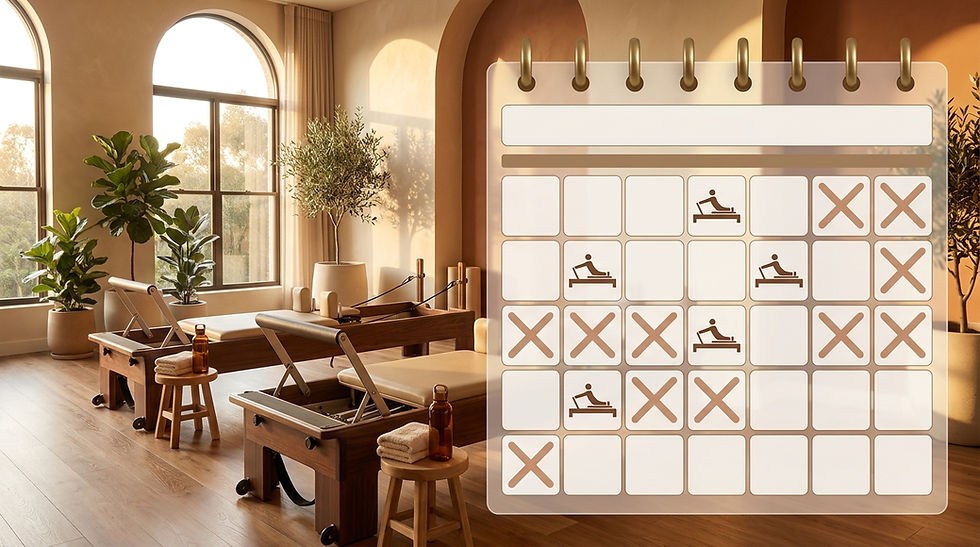
Yes, and many practitioners do. A common pattern is alternating between the two across the week. For example, reformer on Monday, yoga on Tuesday, reformer on Thursday, and yoga on Friday. The variety in movement stimulus supports recovery between sessions.
Which is better for posture?
Both improve posture through different mechanisms. Reformer pilates builds the core stability that supports upright alignment. Yoga lengthens tight muscles that may be pulling you out of alignment. For comprehensive posture improvement, combining both addresses the issue from both sides.
Is reformer pilates too hard for beginners?
No. Essentials Reformer is designed for beginners and uses lighter springs. The machine itself provides guidance for movement. Most people feel comfortable within two to three classes.
Can reformer pilates improve flexibility?
Yes. Research shows that pilates improves flexibility, particularly in the hamstrings and lumbar spine. However, if flexibility is your primary goal, pairing reformer with yoga will yield greater gains. Yoga is the more dedicated flexibility practice.
What if I have limited time?
Start with whichever practice addresses your most pressing need. If you're tight and stressed, yoga may be the better starting point. If you're seeking strength and muscle tone, start with reformer. Even two sessions per week of either practice produces meaningful results. Then add the other when your schedule allows.
How do I choose between the two?
Consider what your body needs right now. Tight hips and elevated stress? Yoga. Weak core and poor posture? Reformer. Unsure? The 21-day trial lets you try both and see which resonates.
Start Your Practice This Week
The good news is you don't have to choose. At BML Bondi, yoga and pilates coexist harmoniously. Start with one, explore the other, or try both from day one. Our teachers will guide you toward the practice that matches your body and your goals right now.
Our 21-Day Trials give you unlimited classes to find your rhythm. The Yoga Trial is $59 for 21 days of unlimited yoga. The Yoga and Pilates Trial is $99 for 21 days of unlimited access to both. That's ample time to try every class style, discover your favourites, and feel real change in your body.
Ready to begin? Visit https://bondi.bodymindlife.com/ to book your 21-day trial.